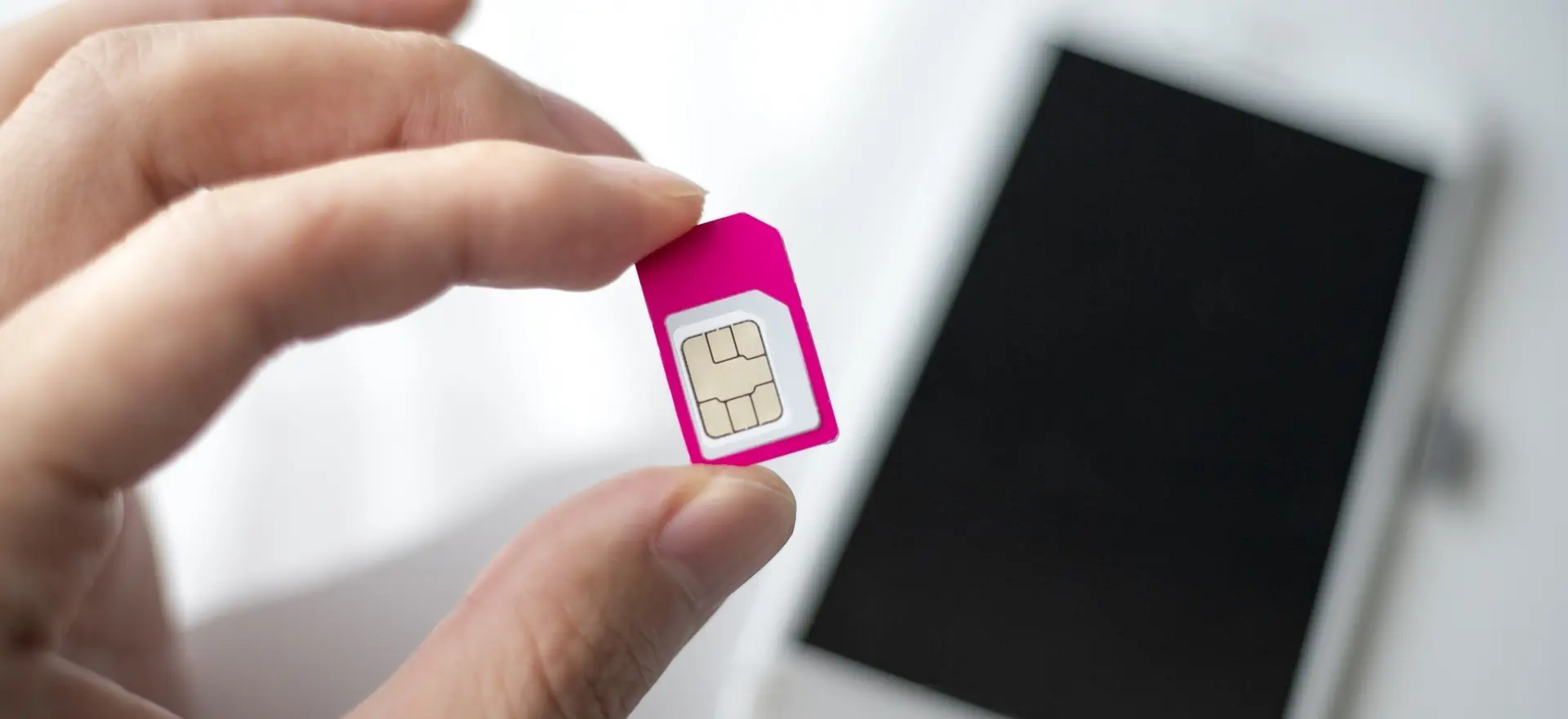
When it comes to mobile connectivity in Japan, eSIM has become the standard choice.
It can be set up before arrival, requires no physical SIM swap, and for many travelers, it is a perfectly rational option.
So why does this article focus on physical SIM cards?
The answer is simple.
Even today, there are travelers for whom a physical SIM is the best fit.
There is no single “best” option for everyone.
The right choice depends on how long you stay, how you use your phone, and how much you want to think about connectivity during your trip.
This article does not argue that physical SIMs are better than eSIMs.
And the reverse is also true.
The purpose of this article is to clearly define who physical SIMs are suited for,
and who they are not.
If you are
– not on a short trip,
– staying in Japan for an extended period, and
– looking for a setup you can configure once and then forget about,
a physical SIM is still a perfectly valid option worth considering.
In the following sections, I’ll explain why.
1. Conclusion: Who a Physical SIM Is Right For
A physical SIM is a good fit for travelers who meet the following conditions:
- Staying in Japan for two weeks or longer
- Wanting to keep mobile connectivity as simple as possible
If both apply to you, a physical SIM is still a perfectly realistic option today.
One example that fits these conditions is Sakura Mobile’s data-only physical SIM.
Note:
While the linked page lists both SIM and eSIM options, this article specifically assumes the use of a physical, data-only SIM for longer stays where you set things up once and keep using the same connection.
2. Why a Physical SIM Fits These Conditions
2-1. From the Length of Stay Perspective
A physical SIM tends to work better for longer, more settled stays than for short trips.
Physical SIMs do offer short-term plans, such as 7-day or 14-day options.
However, these plans tend to be more expensive when viewed on a per-day basis.
On the other hand, plans that are relatively cost-efficient are usually designed with
longer usage periods in mind, such as 30-day plans.
Because of this structure, short stays often lead to one of two outcomes:
- Short-term plans are convenient, but relatively expensive
- Longer-term plans are cheaper per day, but leave unused days or data
This does not mean a physical SIM cannot be used for a short trip.
It simply means that, in many short-term cases, the cost efficiency is harder to justify.
If you are staying for two weeks or longer, the situation changes.
A single plan can cover most or all of your stay, and the per-day cost tends to make more sense as a result.
This is also why some physical SIM services,
such as Sakura Mobile,
are designed primarily for 30-day or longer usage periods.
For reference, if you want to know how much data travelers actually use on short trips, the following article breaks down realistic numbers:
How Much Data Do You Actually Need in Japan?
2-2. For Those Who Want Simple Day-to-Day Use
The second key point is how much ongoing management is required.
With a physical SIM, once you insert the card and complete the initial setup,
there is usually very little else to do.
You do not need to switch connections or repeatedly check which line is active—
in most cases, you simply keep using it as is.
Because of this, a physical SIM works well for people who:
- Do not want to keep checking settings screens
- Want to avoid mistakes when switching connections
On the other hand, it is not a great fit for people who want to:
- Change how they connect depending on the day
- Add or switch plans flexibly during their stay
- Use multiple connections depending on location or purpose
For this type of user, the simplicity of a physical SIM can become a limitation rather than a benefit.
Note on voice calls:
When choosing a physical SIM, you may also see options with or without voice calls.
This article assumes a data-only physical SIM, which is the most common choice for travelers staying in Japan.
For most travelers, voice calls are not strictly necessary.
Navigation, reservations, and daily communication in Japan can usually be handled without making phone calls.
That said, a voice-enabled SIM can still make sense if you expect to contact hotels or local services directly, or if having a local number simply gives you peace of mind.
In the next section,
we’ll clear up some common misunderstandings about physical SIMs.
3. Common Misconceptions
When it comes to physical SIMs,
people often mix up whether something works with whether it is worth using.
Here, we’ll clarify just two common misconceptions that tend to lead to poor decisions.
3-1. “You shouldn’t choose a physical SIM for a short stay”
Physical SIMs are often described as
“not suitable for short trips.”
This does not mean they cannot be used.
Even for short stays, a physical SIM works perfectly fine.
In fact, physical SIMs do offer short-term plans, such as 7-day or 14-day options.
However, as a general tendency, these plans are more expensive when viewed on a per-day basis.
On the other hand, more cost-effective plans are usually designed with
longer usage periods in mind, such as 30-day plans.
As a result, if you choose one of these long-term plans for a stay of only a few days or a week,
you are likely to end up paying for unused days or data.
In other words, it’s not that physical SIMs should never be used for short stays—
they are simply less cost-efficient in many short-term scenarios.
That said, if you place a higher value on things like:
- Not having to repeatedly check settings
- Avoiding mistakes when switching connections
then choosing a physical SIM can still make sense, even for a short stay.
What you value, and what you are willing to pay for, ultimately depends on you.
3-2. “Physical SIMs are slower than eSIMs”
Another common belief is that physical SIMs are slower than eSIMs.
This is also a misconception.
Network speed is determined not by the form of the SIM,
but by which network you are connected to and which plan you are using.
A physical SIM is not inherently slower,
and an eSIM is not inherently faster.
If there is a noticeable difference in speed,
it usually comes down to the plan itself or network congestion—not the SIM type.
4. Summary
A physical SIM works best for people who:
- Stay in Japan for a reasonably long period
- Want to set things up once and be done
- Prefer to use their phone without thinking about connectivity
On the other hand, a physical SIM is usually not a good fit if you:
- Are staying short-term and want to minimize cost
- Plan to switch connections or plans frequently
In short, a physical SIM is a practical choice for travelers who value
longer stays and simple, hands-off operation.
For a complete, practical overview of eSIMs, physical SIM cards, and pocket Wi-Fi—and how to choose between them based on travel style—see this guide:
→ How to Stay Connected in Japan: A Practical Guide That Actually Works