One unfortunate truth about Japan that travelers keep pointing out is this:
Japan still insists on cash.
And, to be fair, that observation is entirely correct.
Late-night ramen shops, tiny bars, unexpected Airbnb add-on fees, coin-laundry dryers—you name it.
Despite Japan’s high-tech image, moments when you suddenly need cash right now happen all the time.
And yes — that really does mean you need cash right now.
(There is no “alternate method” hiding behind the corner.)
The real trouble is that these situations almost always happen at night.
You realize you have only 1,000 yen left, your taxi fare won’t be enough, or you desperately want ramen but your wallet is empty.
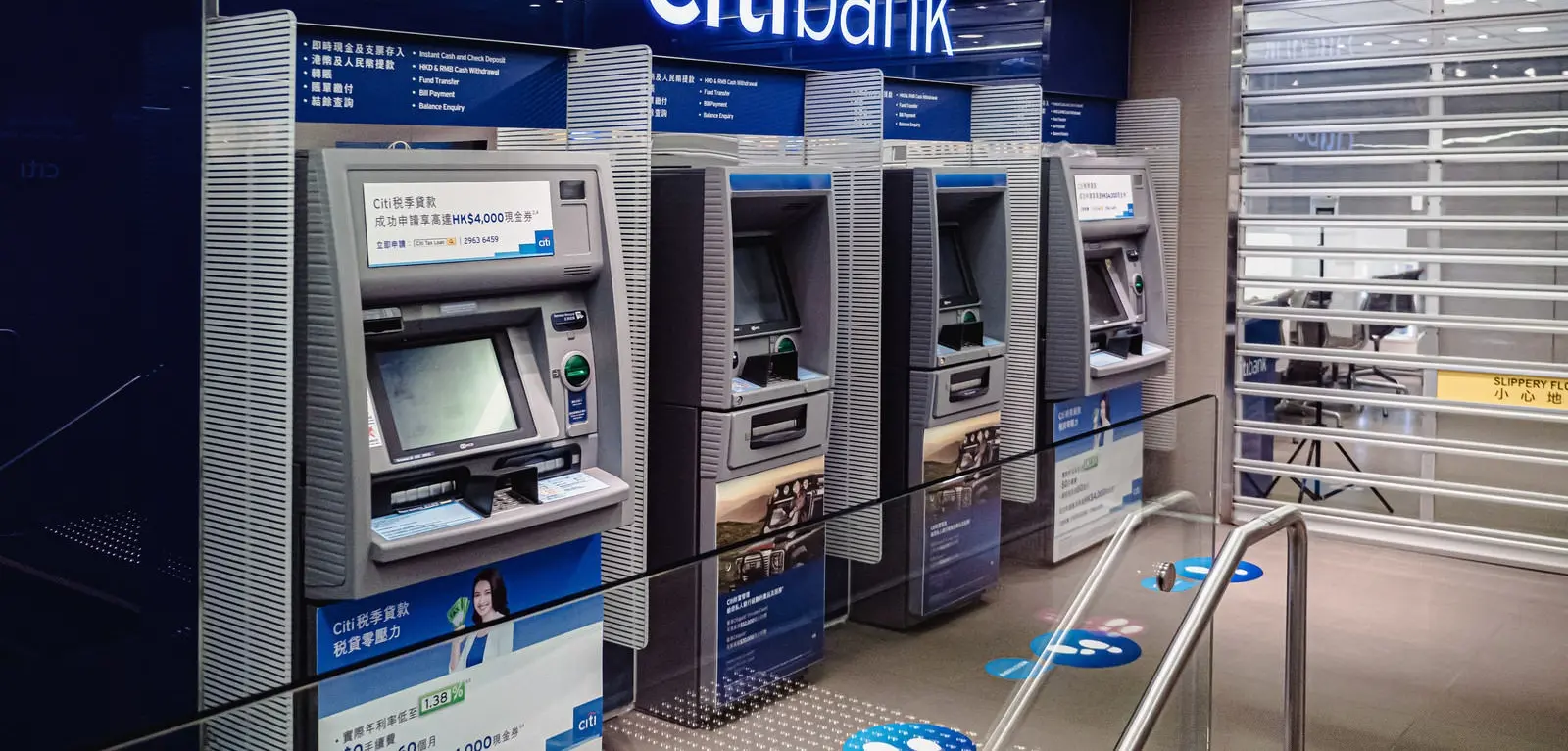
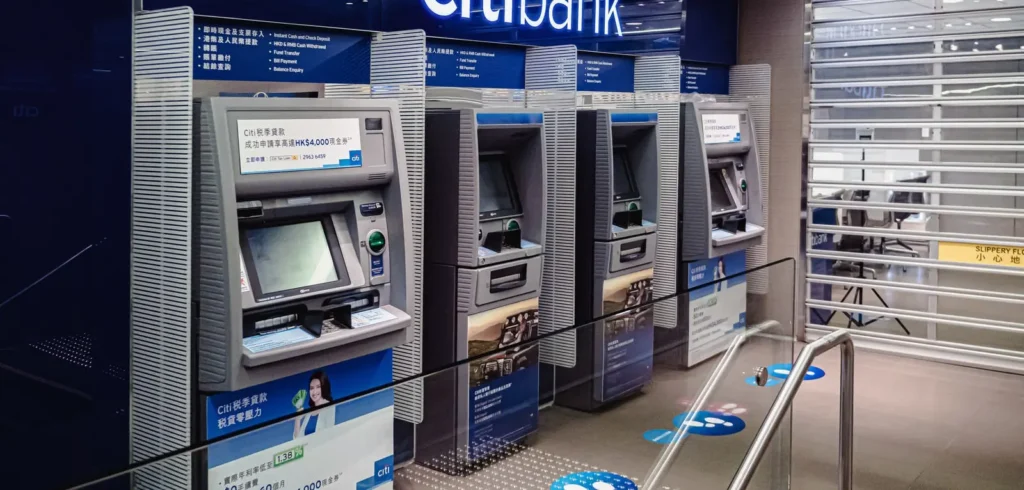
So you rush to the nearest ATM—only to find that your foreign-issued card doesn’t work, or that the machine simply shuts down after certain hours.
Without prior knowledge, trying to withdraw cash in Japan as a traveler is basically a game of chance.
Unless, of course, you’re the sort of person who finds joy in gambling with ATM machines—someone whose brain has been replaced entirely by a slot machine.
Everyone else should probably know how Japanese ATMs actually behave.
In this article, we’ve compiled a single cross-check table covering the major ATM networks (Seven Bank, Japan Post Bank, AEON Bank, and E-net) and the major foreign card brands (Visa, Mastercard, AmEx, UnionPay, etc.).
If you ever need cash late at night, this chart will finally show you which ATMs are on your side—and which cards will betray you without warning.
1. Why Japanese ATMs Struggle with Foreign Cards
Before jumping straight into the cross-check table, let’s quickly cover one thing:
why different ATMs in Japan handle foreign-issued cards so differently,
and why this information is so annoyingly hard to understand in the first place.
If you’re thinking,
“I don’t care, just show me the answer.
If I don’t get ramen right now, I’m going to die.”
then please skip ahead to Chapter 2.
This site has no desire to take responsibility for anyone starving to death in front of an ATM.
1-1. Foreign-issued cards are processed through a completely different network
Foreign cards don’t run through Japan’s domestic banking network.
They’re routed through separate international channels, which means:
- those channels may simply shut down during certain hours, and
- results can change depending on the ATM network you use.
This leads to the most baffling situation for travelers:
“It worked at the Seven Bank ATM,
but the one across the street rejected it… even though it’s the same Visa card.”
Unfortunately, that is normal here.
1-2. Each major ATM network has its own quirks
Foreign cards aren’t the only source of chaos.
Japan’s ATM networks themselves have very distinct personalities:
- Seven Bank: The strongest option for foreign cards. Often reliable even late at night.
- Japan Post Bank (JP Bank): Hours vary wildly depending on the location.
- AEON Bank: Stable, but machines are few.
- E-net: Found in many convenience stores, but compatibility varies heavily by card brand.
Depending on which network you pick, your success rate can change dramatically—
a charming little detail most travelers would prefer not to discover at midnight.
1-3. The information is scattered, and no one has ever compiled it
Each ATM operator publishes its own compatibility notes,
but there is no unified reference that covers:
- card brand
- ATM network
- time-of-day limitations
In other words, the information exists—just not in a form anyone can actually use.
The reason ATM withdrawals feel like a game of chance
isn’t because Japan is trying to be unkind.
It’s simply because no one ever bothered to put everything into one table.
In the next chapter, you’ll find that very table:
the cross-check of foreign cards × ATM networks × time-of-day
that somehow never existed until now.
2. How Japanese ATMs Actually Treat Foreign Cards
Below is the cross-check table showing how major foreign card brands behave across Japan’s main ATM networks.
It doesn’t claim to cover every machine in the country, and yes, there will always be outliers—an ATM that sleeps early, one that rejects your card only on rainy Tuesdays, or one that simply hates foreigners for reasons known only to itself.
Still, this table will give you far better odds than running to the nearest ATM and praying your card works.
2-1. Foreign Cards × Japanese ATMs
Compatibility Chart (2025 Edition)
Based on official data and cross-checked with real traveler reports.
Operating hours may vary depending on the location of each ATM (stations, malls, government buildings, etc.).
ATM Compatibility Table
(✓ = very reliable / ✓ = generally OK / × = not supported)
Seven Bank | JP Bank (Japan Post) | AEON Bank | E-net (Lawson, FamilyMart, etc.) | |
|---|---|---|---|---|
| VISA | ✓ 24 hours | ✓7:00–23:00 ※ | ✓ 24 hours | ✓ 24 hours |
| Mastercard | ✓ 24 hours | ○ 7:00–23:00 ※ | ✓ 24 hours | ✓ 24 hours |
| AmEx | ✓ 00:05–23:50 | × (not supported) | × (not supported) | × (not supported) |
| UnionPay | ✓ 00:10–23:50 | ✓ 7:00–23:00 ※ | ✓ 24 hours | ✓ 24 hours |
| Overseas Debit (Visa/MC) | ✓ 24 hours | ✓ 7:00–23:00 ※ | ✓ 24 hours | ✓ 24 hours |
※ About JP Bank operating hours
JP Bank ATMs do not operate 24 hours. Their availability depends on the location of the building they are inside.
- Weekdays & Saturdays: 7:00–23:00
- Sundays, holidays, and some locations: 7:00–21:00
International cards follow these hours as well.
2-2. Important Notes (Read This Before Panicking at Midnight)
1. Where Japan’s Major ATM Networks Are Actually Located
Seven Bank

- Inside almost every 7-Eleven
- Major train stations
- Airports and large commercial buildings
JP Bank / Japan Post Bank
- Inside post offices
- Inside stations, municipal buildings, and public facilities
- Some supermarkets and shopping centers
AEON Bank
- Inside AEON malls and AEON supermarkets
- Suburban shopping centers
- Some stations and commercial complexes
E-net
- Many smaller local convenience stores
- Inside Lawson
- Inside FamilyMart
- Inside Mini Stop
2. AmEx: Works at Seven Bank and almost nowhere else
- Seven Bank is the only network that accepts AmEx reliably
- Even then, there’s a late-night downtime (23:50–00:05)
- JP Bank, AEON, and E-net are officially unsupported
→ If you carry AmEx, Seven Bank is your one and only friend.
3. JP Bank is limited by the ATM’s physical operating hours
- Many JP Bank ATMs are inside stations, malls, or public buildings
- When the building closes, the ATM closes
- Not a “foreign card issue”—just the doors literally shut
→ Do not rely on JP Bank after dark.
4. Overseas debit cards (Visa/MC): Generally usable, but stricter fraud checks
- They run on the same Visa/Mastercard international networks
- ATM compatibility = basically the same as credit cards
- However, fraud detection is stricter → occasional random declines
- Withdrawal limits are often lower
→ Debit works—but sometimes it “gets nervous” and rejects you.
5. ATM usage fees: small, but not zero
Most Japanese ATMs charge a fixed ATM usage fee when you withdraw cash with a foreign card.
This fee is set by the ATM network itself—not by your card issuer.
In practice, the fee is usually:
・110–220 yen per withdrawal, depending on the network and time of day.
Seven Bank, AEON Bank, JP Bank, and E-net all apply similar ATM-side fees.
There is no truly “free” ATM in Japan for foreign cards.
Important:
This is separate from any fees charged by your card issuer.
Card-side fees (foreign transaction fees, cash advance fees, exchange margins) vary by card and country,
so always check your card’s terms separately.
→ The ATM fee is predictable and relatively small.
→ The card issuer fee is where the real differences happen.
6. Big cities vs rural Japan: Reliability really does change
- Tokyo / Osaka / Nagoya → Seven Bank, AEON, and E-net everywhere.
Foreign cards work the most reliably here. - Regional cities → ATMs still exist, but Seven Bank density drops and options narrow.
Success rate remains high but not as guaranteed as in Tokyo. - Rural Japan → Some towns have only JP Bank ATMs, which have limited hours and may not support all brands.
Foreign-card-friendly ATMs can be extremely scarce.
→ If you’re leaving Tokyo, withdraw extra cash before you go.
7. Common misconception: Megabank ATMs must accept foreign cards
They don’t.
Mizuho, MUFG, and SMBC ATMs generally do not support cash withdrawals with foreign-issued cards.
→ They look fancy, but they will reject you. Consistently.
3. Other Things You Should Know (If You Want to Keep Your Sanity)
Japan’s ATM quirks don’t end with card–machine compatibility. A few smaller rules can quietly ruin your day—or your budget. Here are only the points that genuinely matter.
3-1. Withdrawal limits come from two sides: the ATM and your bank
The maximum amount you can withdraw isn’t determined by the ATM alone.
Two separate limits apply:
- ATM-side limits
- Seven Bank: up to ¥100,000 per transaction (¥30,000 for some magnetic-stripe cards)
- JP Bank (Yūcho): typically around ¥50,000
- AEON Bank: varies by store, roughly ¥20,000–¥100,000
- Card-issuer limits
- Many banks cap overseas ATM withdrawals per day
- Fraud detection can temporarily freeze additional withdrawals
So the common plan—“If I run short, I’ll just take out ¥100,000 in one go”—often fails in Japan.
3-2. Balance inquiry often doesn’t work (and that’s normal)
Foreign-issued cards frequently cannot perform balance inquiries on Japanese ATMs.
You may get an error every single time, even though the card itself is perfectly fine.
If you need your balance, check your bank’s app instead.
3-3. Fees stack in three layers (the real reason it feels expensive)
A single withdrawal can include three separate cost components:
- ATM operator fee
- International network markup (Visa/Mastercard FX rate)
- Your card issuer’s overseas withdrawal fee
In practice, the total cost can approach around 10%, meaning that withdrawing ¥1,000 might result in an actual charge of ¥1,100–¥1,200, depending on your bank.
It’s not a scam—just an expensive ecosystem.
3-4. Say “No” to DCC (Dynamic Currency Conversion)
Some ATMs will ask:
“Would you like to be charged in your home currency?”
Always select No (JPY).
Choosing your home currency triggers DCC, which applies poor exchange rates and extra fees.
In polite terms: don’t let the ATM handle the currency conversion.
It looks confident enough, but it’s genuinely terrible at math.
4. Conclusion
Japan’s ATMs work far more conditionally than they look.
Yes, Seven Bank is the strongest option for foreign cards, but even that doesn’t mean “always, under every circumstance.”
A realistic strategy for travelers looks like this:
- Start with Seven / AEON / E-net as your top three candidates
- Even Seven Bank can fail at night for AmEx and certain other cards
- JP Bank changes behavior depending on time and location
- Don’t expect anything from megabank ATMs (Mizuho, MUFG, SMBC)
- Before leaving major cities, secure the cash you need
If you understand these points, you can handle Japan’s occasional
cash-only attacks without breaking a sweat.
In other words, this knowledge becomes your best armor against them.
Authentic Japanese Souvenirs, Delivered
- Hotel delivery (no international shipping fees)
- Order before or during your trip and receive everything at your hotel
- Plan ahead and start sightseeing hands-free from day one
- Save time
- No more arriving in Japan only to find the souvenirs you wanted are sold out
- Skip the souvenir hunt and spend more time enjoying your trip
- All items are made in Japan
- Forget the worry of “Is this really made in Japan?”
- Every item is carefully selected and genuinely Japanese-made